24/7 Emergency Water Extraction — Live dispatch for Columbia, Laurel, Ellicott City, Beltsville & Greenbelt

Menu
Home
Services
Emergency Water Extraction
Flooded Basement Water Removal
Burst Pipe Water Cleanup
Appliance Flood Cleanup
Sewage Backup Cleanup
Structural Drying & Dehumidification
Service Areas
Columbia, MD
Laurel, MD
Ellicott City, MD
Beltsville, MD
Greenbelt, MD
Company
About Us
Contact Us
Call 24/7 — (216) 245-3187
Home / Services / Flooded Basement Water Removal
24/7 Basement Flood Response
Flooded Basement Water Removal in Maryland
A few inches of water in the basement can ruin flooring, drywall, furnaces and everything in storage. Call now to connect with a local crew that pumps out the water, removes wet materials and dries your basement properly — day or night.
Calls answered 24/7/365
Local Maryland providers
Free phone assessment
Water Damage Emergency?
Call now — local water extraction crews in Howard & Prince George's County are on standby day and night.
Answered 24 hours, 7 days a week
Matched with a provider near your ZIP
Photos & moisture logs for your claim
Free to call — no obligation
Free phone assessment · Estimate before any work begins
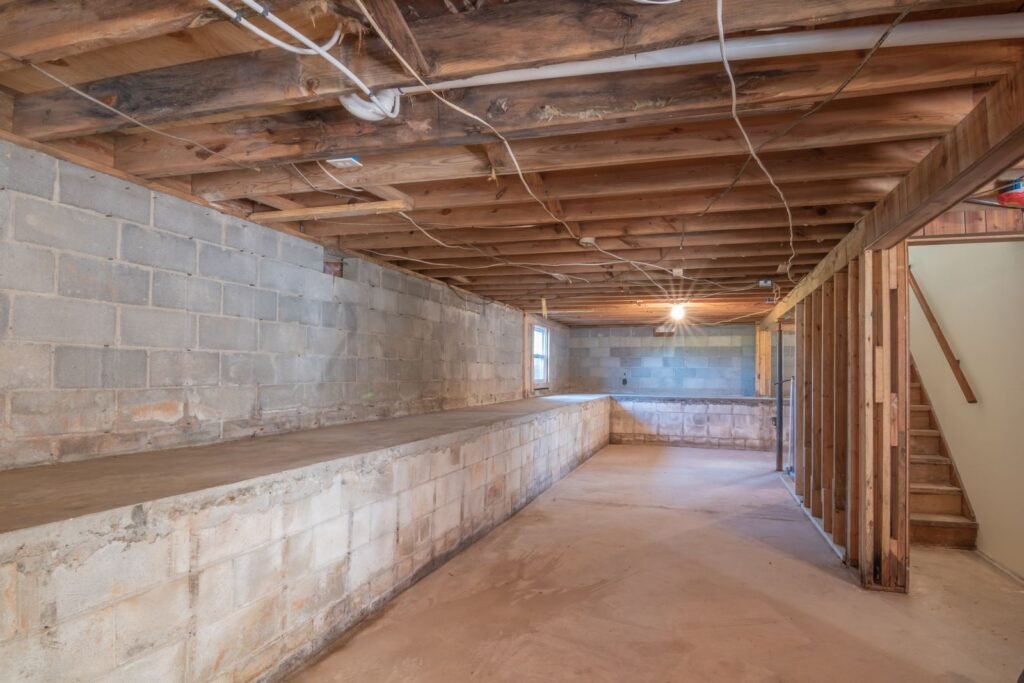
Basement Flood Cleanup
Basement Water Removal, Cleanup and Drying
Basements are the lowest point in your home, so they take the hit when a sump pump fails, a pipe bursts or heavy rain overwhelms foundation drainage. Water collects fast and has nowhere to go.
Local providers use submersible pumps, truck-mounted extractors and commercial dehumidifiers to remove standing water, pull moisture from carpet and pad, and dry concrete, framing and drywall — whether your basement is finished, unfinished or a rental unit.
Basement flooding is especially common in older homes around Ellicott City, Laurel and Columbia, where aging drain tile, poor grading and heavy summer storms combine.
Pump-out of standing water at any depth
Wet carpet, pad and drywall removal when needed
Concrete slab and foundation wall drying
Odor control and antimicrobial treatment
Basement Water Services
Basement Water Problems We Help With
Every basement flood has a cause. Knowing the source helps your provider stop it and dry the space the right way.
Sump Pump Failure Cleanup
Power outage or a worn-out pump? Water rises fast — get it pumped out and dried before it reaches finished areas.
Learn more →
Storm Water Basement Extraction
Heavy rain and groundwater seeping through walls, floor cracks and window wells.
Learn more →
Crawl Space Water Extraction
Standing water and wet soil removed from tight crawl spaces before joists start to rot.
Learn more →
Washing Machine Overflow Cleanup
Basement laundry room floods from burst hoses, clogged drains and overflowing washers.
Learn more →
Water Heater Leak Cleanup
Leaking or ruptured tanks that soak basement floors, walls and storage.
Learn more →
Sewage Backup Cleanup
Floor drain and sewer backups that need full sanitizing, not just drying.
Learn more →
How It Works
What Happens When You CallNo phone trees, no runaround. One call gets the extraction process moving — here is exactly what to expect.
1
Call & Describe the ProblemTell us where the water is coming from, how much there is and which rooms are affected. If the source is still running, we walk you through shutting off the main valve.
2
Get Connected to a Local ProYour call is routed to an available, local water extraction provider who serves your ZIP code and can confirm an arrival window.
3
Inspection & Written EstimateThe technician inspects the damage, maps moisture with meters and explains the plan and pricing before any work begins.
4
Extraction, Drying & MonitoringTruck-mounted or portable extractors pull the water out, then air movers and dehumidifiers dry the structure while readings are checked until it is dry.
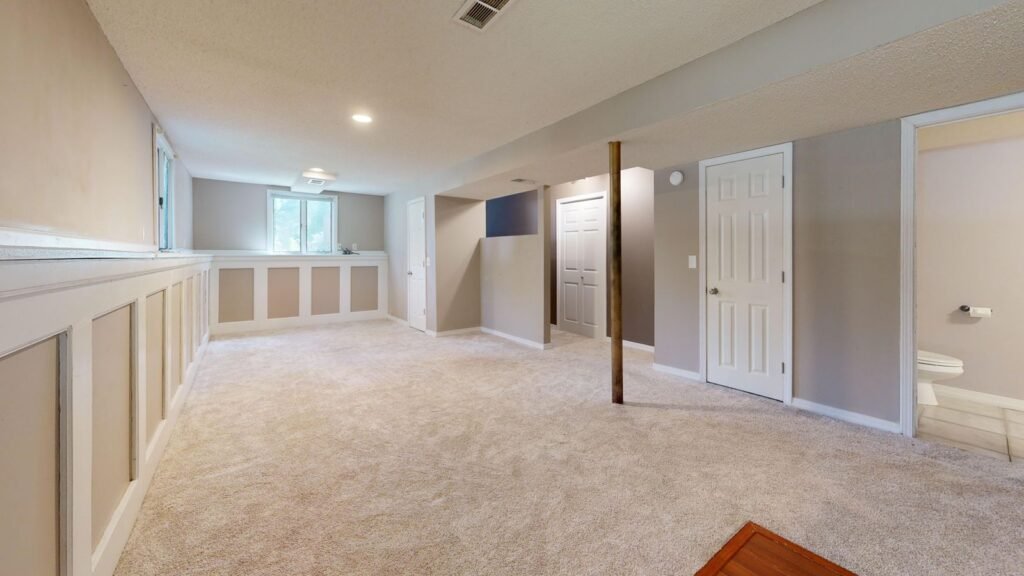
Finished Basements
Finished Basement Flooded? Here Is What Can Be Saved
Finished basements hide water behind drywall, under laminate and inside carpet pad. Even when the surface looks dry, moisture can stay trapped for weeks.
Technicians use moisture meters and thermal imaging to find wet framing and insulation, then decide what can be dried in place and what needs to come out — often a flood cut a couple of feet up the wall instead of removing the whole wall.
Clean water losses caught early are often dried in place. Gray or black water from drains, sewers or outside flooding usually means porous materials must be removed for safety.
Carpet pad is usually replaced; carpet can sometimes be saved
Drywall is flood-cut above the water line when needed
Wet insulation inside walls is removed and replaced
Furniture is moved, blocked up or packed out to dry
Why Call Us First
Fast Help Without the RunaroundSearching through a dozen contractor listings while water soaks into your floors wastes time you do not have. One call to Rapid Water Extraction MD gets you to someone local who can help.
Nights, weekends and holidays — water emergencies do not keep business hours and neither does our phone line.
Calls are matched to providers who actually work in Howard and Prince George's County, so help is not coming from two hours away.
Providers bring commercial extractors, submersible pumps, air movers and dehumidifiers — far beyond a shop-vac and box fans.
Your provider explains the scope and pricing on site and gets your OK before extraction begins. No surprise invoices.
Photos, moisture readings and drying logs help support your claim. Many providers can also coordinate with your adjuster.
There is no charge for the call or the phone assessment. You only pay the provider for work you approve.
Questions & Answers
Flooded Basement FAQ
Is it safe to walk into my flooded basement?
Not if water is near outlets, appliances or the electrical panel. Stay out until power to the area is shut off by a qualified person, and avoid contact with water that may contain sewage.
How long does it take to dry a flooded basement?
Most basements take 3–5 days of drying with air movers and dehumidifiers after the water is extracted. Concrete, heavy flooding or cold weather can extend that. Your provider checks moisture readings daily until materials are dry.
Will homeowners insurance cover basement flooding?
Sudden events like a burst pipe or failed water heater are commonly covered. Groundwater, surface flooding and sump pump failure usually require flood insurance or a water backup endorsement. Review your policy and ask your agent.
Why does my basement smell musty after a flood?
A musty odor usually means moisture is still trapped in carpet pad, drywall or framing and microbial growth may be starting. Professional drying and antimicrobial treatment address the cause instead of masking the smell.
Can you help if the water keeps coming back?
Your provider will identify the source — a failed sump pump, blocked drain, plumbing leak or groundwater — and explain what needs to be fixed so the basement stays dry after cleanup.
Related Services
Related Water Damage Services
Emergency Water Extraction
24/7 water removal for any room in the house, not just the basement.
Learn more →
Emergency Flood Pump Out
Deep water pumped out of basements and lower levels with submersible pumps.
Learn more →
Structural Drying & Dehumidification
Commercial air movers and dehumidifiers dry the structure completely.
Learn more →
Service Areas & ZIP Codes
Water Extraction Across Howard & Prince George's County
We connect homeowners and businesses with local water removal pros in these Maryland communities. Find your ZIP code below, then open your city's page for local service details.
Not sure if you are covered? Call (216) 245-3187 — we will tell you right away.