24/7 Emergency Water Extraction — Live dispatch for Columbia, Laurel, Ellicott City, Beltsville & Greenbelt
Menu
Home
Services
Emergency Water Extraction
Flooded Basement Water Removal
Burst Pipe Water Cleanup
Appliance Flood Cleanup
Sewage Backup Cleanup
Structural Drying & Dehumidification
Service Areas
Columbia, MD
Laurel, MD
Ellicott City, MD
Beltsville, MD
Greenbelt, MD
Company
About Us
Contact Us
Call 24/7 — (216) 245-3187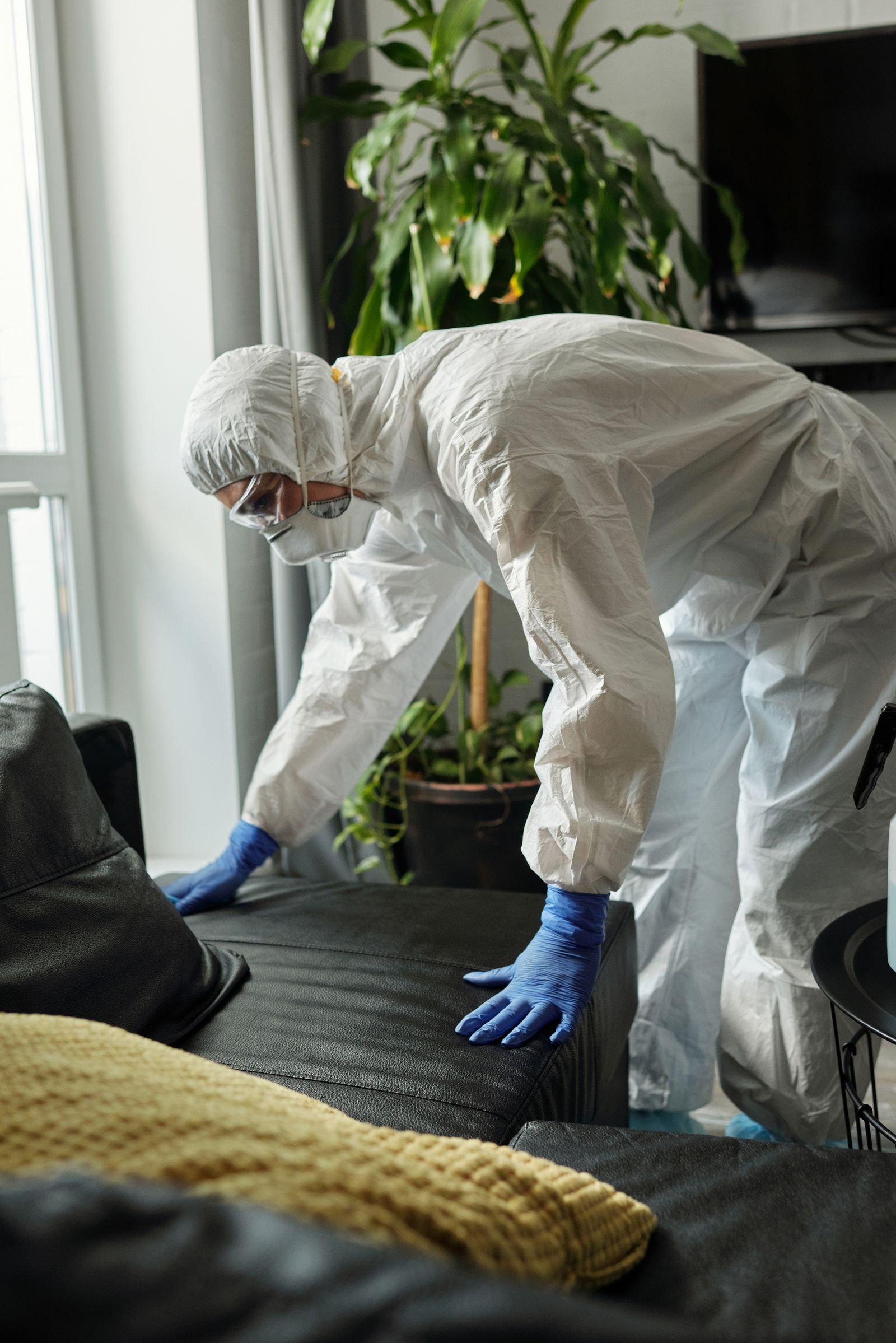
Home / Columbia, MD / Black Water Sanitization
24/7 Black Water Cleanup · Columbia, MD
Black Water Sanitization in Columbia, MD
Sewage or contaminated floodwater got into your Columbia home? Call any hour for black water extraction and sanitization by protected, trained crews across 21044 to 21046.
Calls answered 24/7/365
Local Maryland providers
Free phone assessment
Water Damage Emergency?
Call now — local water extraction crews in Howard & Prince George's County are on standby day and night.
Answered 24 hours, 7 days a week
Matched with a provider near your ZIP
Photos & moisture logs for your claim
Free to call — no obligation
Free phone assessment · Estimate before any work begins
Columbia Black Water
Black Water Sanitization That Makes Columbia Homes Safe Again
Black water is the most hazardous kind of water damage. In Columbia it usually comes from one of two places: a sewer backup through a floor drain or toilet, or outside floodwater from storms and the Little Patuxent River.
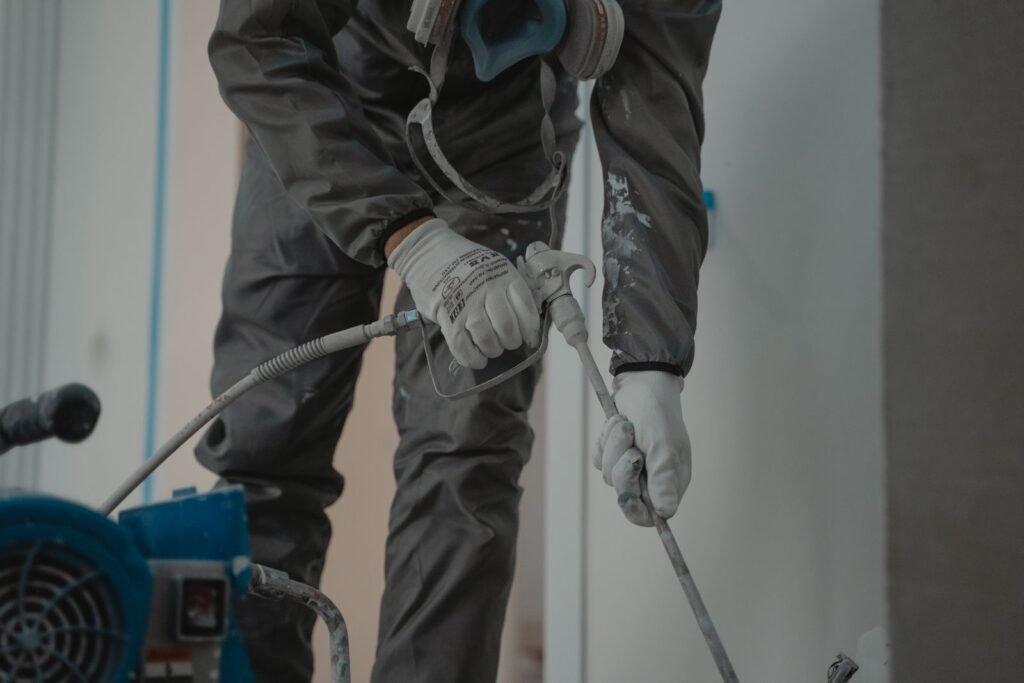
The work happens in a fixed sequence: seal off the area, take out porous materials that soaked up contamination, scrub away visible soil, disinfect with EPA-registered products and finish with structural drying. Learn more about black water sanitization.
Moisture readings confirm the drying, and independent testing can be arranged if you want proof the area is clean.
Containment of the work area
Removal of porous contaminated materials
EPA-registered disinfectants
Verified drying afterward
Black Water Sources
Where Black Water Comes From in Columbia
Black water always needs the same careful handling, but the source tells you what to fix. Each one has a Columbia page.
Sewer Backups
Main line clogs and tree roots in sewer laterals push sewage up through basement drains.
Learn more →
Toilet Backflow
Water from beyond the toilet trap is black water, even if the overflow looks small.
Learn more →
Storm Floodwater
Outside water that enters during heavy storms carries soil, fertilizer and bacteria.
Learn more →
Flooded Basements
Basements are where both sewage and floodwater collect, so they need the most careful cleanup.
Learn more →
Crawl Spaces
Contaminated water under the house raises humidity and odors in the living space above.
Learn more →
Commercial Spaces
Restaurants, offices and shared buildings need contained cleanup to protect staff and tenants.
Learn more →
How It Works
What Happens When You CallNo phone trees, no runaround. One call gets the extraction process moving — here is exactly what to expect.
1
Call & Describe the ProblemTell us where the water is coming from, how much there is and which rooms are affected. If the source is still running, we walk you through shutting off the main valve.
2
Get Connected to a Local ProYour call is routed to an available, local water extraction provider who serves your ZIP code and can confirm an arrival window.
3
Inspection & Written EstimateThe technician inspects the damage, maps moisture with meters and explains the plan and pricing before any work begins.
4
Extraction, Drying & MonitoringTruck-mounted or portable extractors pull the water out, then air movers and dehumidifiers dry the structure while readings are checked until it is dry.
What Must Go
What Can Be Cleaned After Black Water, and What Can't
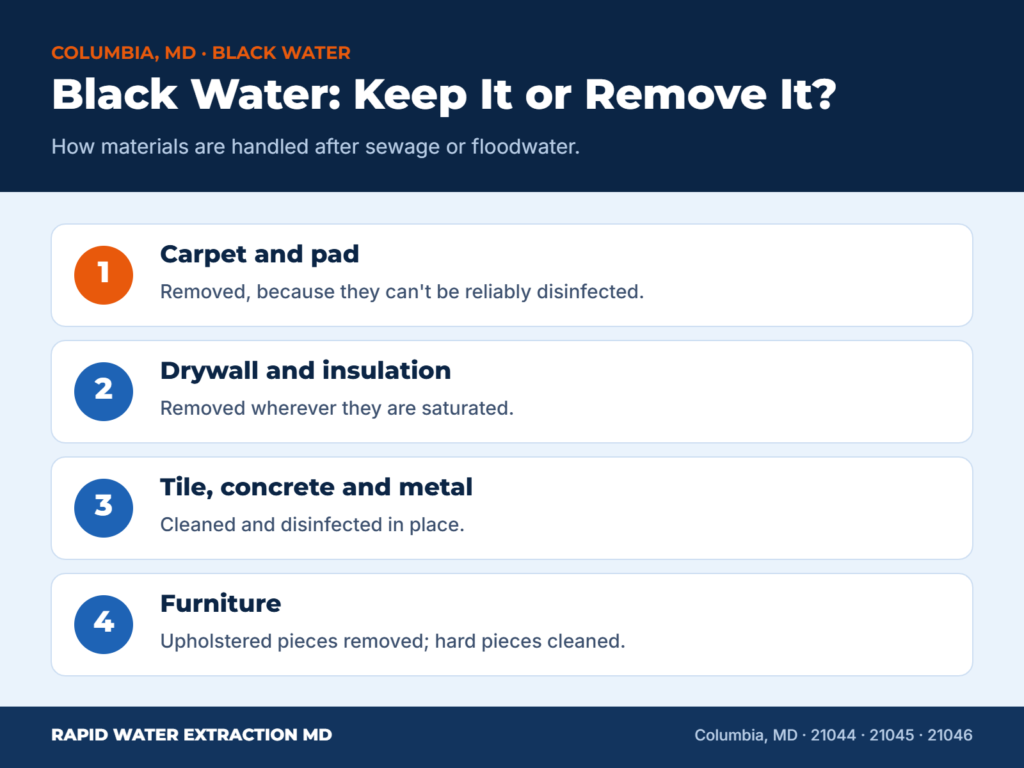
Porous materials that touched black water are typically removed and disposed of: carpet and pad, upholstered furniture, mattresses, particleboard, and saturated drywall and insulation.
Hard, non-porous surfaces such as tile, concrete, metal and sealed wood can usually be cleaned and disinfected in place.
Before anything is torn out, you'll hear what has to go and why, and every item is photographed and listed for your insurer.
Removed: carpet, pad and mattresses
Removed: saturated drywall and insulation
Cleaned: tile, concrete and metal
Documented before demolition
Why Call Us First
Fast Help Without the RunaroundSearching through a dozen contractor listings while water soaks into your floors wastes time you do not have. One call to Rapid Water Extraction MD gets you to someone local who can help.
Nights, weekends and holidays — water emergencies do not keep business hours and neither does our phone line.
Calls are matched to providers who actually work in Howard and Prince George's County, so help is not coming from two hours away.
Providers bring commercial extractors, submersible pumps, air movers and dehumidifiers — far beyond a shop-vac and box fans.
Your provider explains the scope and pricing on site and gets your OK before extraction begins. No surprise invoices.
Photos, moisture readings and drying logs help support your claim. Many providers can also coordinate with your adjuster.
There is no charge for the call or the phone assessment. You only pay the provider for work you approve.
Questions & Answers
Black Water Sanitization in Columbia FAQ
How do I know if I have black water?
If the water came from a sewer line, from beyond a toilet trap or from outside floodwater, treat it as black water, even when it looks clear.
Was the water from the 2018 flood black water?
Yes. River and storm floodwater like the Little Patuxent flooding during the May 2018 emergency is treated as Category 3 because it carries soil, chemicals and bacteria.
Should my family stay home during cleanup?
The work area is sealed off and you should stay out of it. Young children, older adults and anyone with a weakened immune system may be safer elsewhere until cleanup is done.
Can't I just use bleach?
Bleach can't reach the contamination inside carpet or drywall, and combining it with other cleaners can release toxic fumes. Contaminated porous materials need to be removed.
How do I know the area is safe afterward?
Technicians follow industry disinfection procedures, confirm drying with moisture readings and can arrange third-party testing when needed.
More Help in Columbia
More Contaminated Water Help in Columbia
Service Areas & ZIP Codes
Water Extraction Across Howard & Prince George's County
We connect homeowners and businesses with local water removal pros in these Maryland communities. Find your ZIP code below, then open your city's page for local service details.
Not sure if you are covered? Call (216) 245-3187 — we will tell you right away.