24/7 Emergency Water Extraction — Live dispatch for Columbia, Laurel, Ellicott City, Beltsville & Greenbelt
Menu
Home
Services
Emergency Water Extraction
Flooded Basement Water Removal
Burst Pipe Water Cleanup
Appliance Flood Cleanup
Sewage Backup Cleanup
Structural Drying & Dehumidification
Service Areas
Columbia, MD
Laurel, MD
Ellicott City, MD
Beltsville, MD
Greenbelt, MD
Company
About Us
Contact Us
Call 24/7 — (216) 245-3187
Home / Columbia, MD / Sewage Backup Cleanup
24/7 Sewage Cleanup · Columbia, MD
Sewage Backup Cleanup in Columbia, MD
Sewage coming up through a floor drain or toilet in your Columbia home? Call any hour for sewage backup cleanup, contaminated water extraction and sanitizing across 21044 to 21046.
Calls answered 24/7/365
Local Maryland providers
Free phone assessment
Water Damage Emergency?
Call now — local water extraction crews in Howard & Prince George's County are on standby day and night.
Answered 24 hours, 7 days a week
Matched with a provider near your ZIP
Photos & moisture logs for your claim
Free to call — no obligation
Free phone assessment · Estimate before any work begins
Columbia Sewage Backups
Safe Sewage Backup Cleanup for Columbia Homes
Columbia homes are served by Howard County's public sewer system, so a backup can start in your own sewer lateral or in the county's line in the street. Knowing which one decides who you call first.
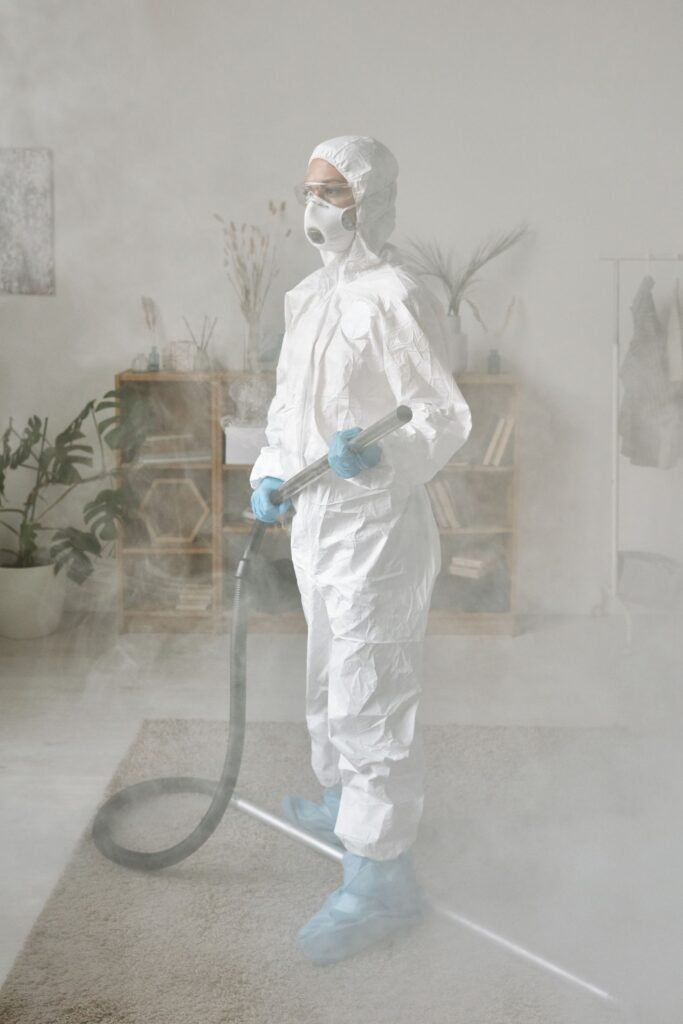
Sewage is Category 3 black water carrying bacteria and viruses. Trained technicians wear protective equipment, extract the contaminated water, remove porous materials that can't be safely cleaned and disinfect every hard surface. Read more about sewage backup cleanup.
Once the area is sanitized, the structure is dried so mold doesn't follow the cleanup.
Protective equipment and containment
Extraction of contaminated water
Removal of porous materials
Disinfection with EPA-registered products
Sewage Situations
Sewage Backups in Columbia Homes
A sewage backup can show up in more than one place. These are the common scenarios, with a Columbia page for each.
Toilet Backflow
When the main line clogs, water comes up through the lowest toilet in the house first.
Learn more →
Basement Floor Drains
Basement floor drains are often the first place sewage appears during a main line backup.
Learn more →
Black Water Sanitization
Everything sewage touched is cleaned and disinfected, and porous materials are removed.
Learn more →
Heavy Rain Overloads
Heavy rain can overload sewer lines and push water back toward homes on the system.
Learn more →
Restaurants and Offices
Commercial restrooms and kitchens in Town Center and the village centers need fast, contained cleanup.
Learn more →
Drying After Sanitizing
After disinfection, the structure is dried to stop secondary mold growth.
Learn more →
How It Works
What Happens When You CallNo phone trees, no runaround. One call gets the extraction process moving — here is exactly what to expect.
1
Call & Describe the ProblemTell us where the water is coming from, how much there is and which rooms are affected. If the source is still running, we walk you through shutting off the main valve.
2
Get Connected to a Local ProYour call is routed to an available, local water extraction provider who serves your ZIP code and can confirm an arrival window.
3
Inspection & Written EstimateThe technician inspects the damage, maps moisture with meters and explains the plan and pricing before any work begins.
4
Extraction, Drying & MonitoringTruck-mounted or portable extractors pull the water out, then air movers and dehumidifiers dry the structure while readings are checked until it is dry.

Who to Call First
Sewer Backup in Columbia? Call the County First
If you are connected to public sewer and water is backing up, Howard County recommends calling its Bureau of Utilities at 410-313-4900 before calling a plumber. After hours, call 410-313-2200.
If the blockage is in the county main, the county handles that line. If it is in your own lateral between the house and the main, a licensed plumber or sewer contractor makes the repair.
Either way, the cleanup inside your home is the same: stop using sinks, toilets and tubs on that line, keep children and pets away and call for professional sewage cleanup.
Bureau of Utilities: 410-313-4900
After hours: 410-313-2200
Stop using drains on that line
Keep children and pets away
Why Call Us First
Fast Help Without the RunaroundSearching through a dozen contractor listings while water soaks into your floors wastes time you do not have. One call to Rapid Water Extraction MD gets you to someone local who can help.
Nights, weekends and holidays — water emergencies do not keep business hours and neither does our phone line.
Calls are matched to providers who actually work in Howard and Prince George's County, so help is not coming from two hours away.
Providers bring commercial extractors, submersible pumps, air movers and dehumidifiers — far beyond a shop-vac and box fans.
Your provider explains the scope and pricing on site and gets your OK before extraction begins. No surprise invoices.
Photos, moisture readings and drying logs help support your claim. Many providers can also coordinate with your adjuster.
There is no charge for the call or the phone assessment. You only pay the provider for work you approve.
Questions & Answers
Sewage Backup Cleanup in Columbia FAQ
Should I call the county or a plumber first?
If you're on Howard County public sewer, call the Bureau of Utilities first. The county checks its main, and if the clog is on your side, a plumber or sewer contractor takes it from there.
Why do Columbia sewer lines back up?
Columbia's tree-lined streets mean roots can work their way into older sewer laterals. Grease, wipes and sagging or collapsed pipes are the other common culprits.
Is it safe to clean up sewage myself?
No. Sewage can carry E. coli, hepatitis A and other pathogens, and shop-vacs and household cleaners can't make porous materials safe again.
Does insurance cover a sewer backup?
Often only if you added a water backup endorsement. Either way, the provider records the damage for your claim.
How soon can I use my basement again?
Removal and disinfection usually start on day one. Drying and final readings typically take several more days depending on the size of the area.
More Help in Columbia
More Sewage Help in Columbia
Service Areas & ZIP Codes
Water Extraction Across Howard & Prince George's County
We connect homeowners and businesses with local water removal pros in these Maryland communities. Find your ZIP code below, then open your city's page for local service details.
Not sure if you are covered? Call (216) 245-3187 — we will tell you right away.